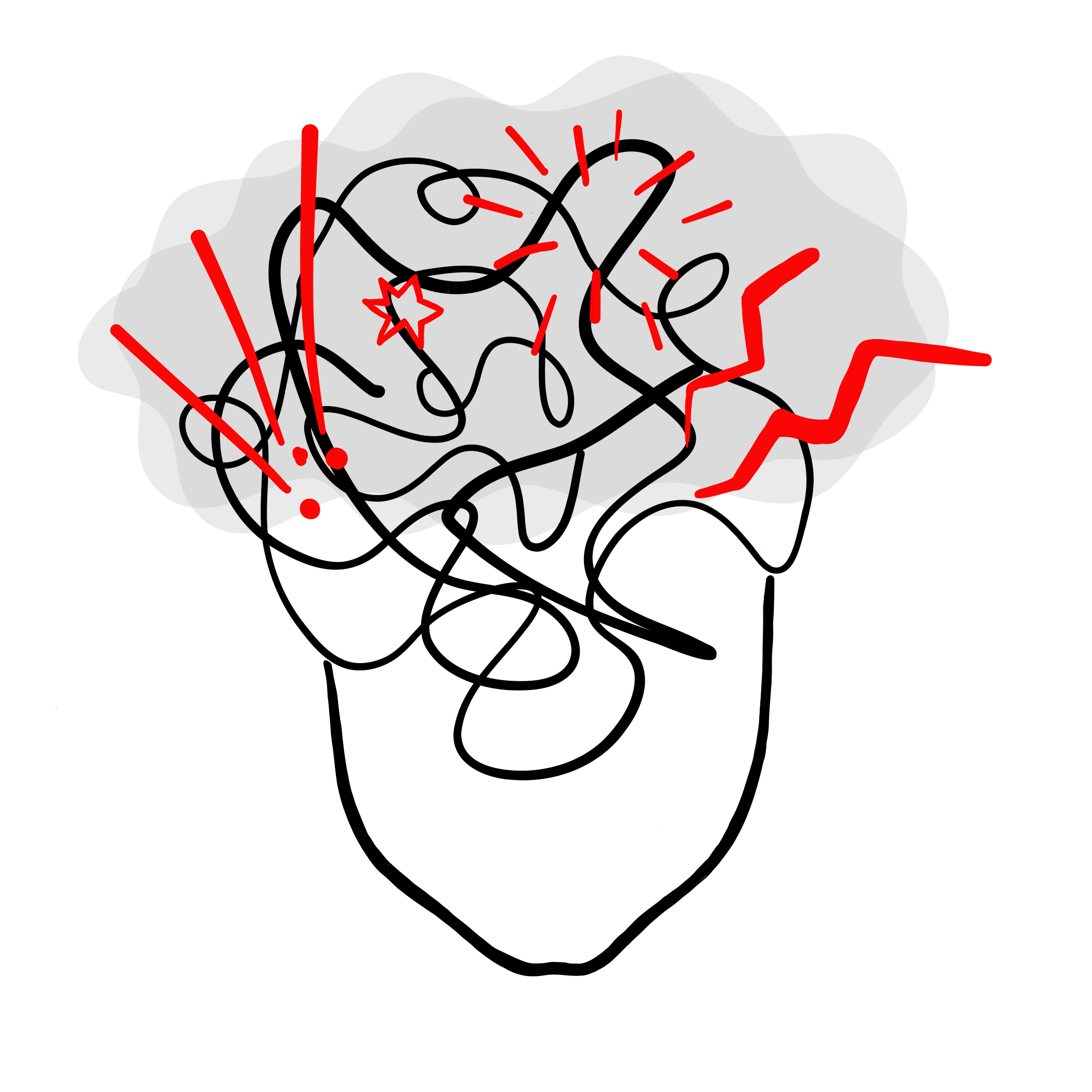
The fight response is a primal instinct that is triggered by the limbic system in our brain when we perceive a threat or danger. This response prepares our body to confront and combat the perceived threat head-on. In this blog, we will explore what happens in the brain during the fight response and provide five helpful tips for supporting children experiencing this state.
What does the fight response look like?
- Increased heart rate and blood pressure
- Heightened alertness and focus
- Aggressive or confrontational behavior
- Tense muscles and clenched fists
- Rapid breathing and sweating
What the fight response might look like in your child:
- A rapid change in behavior like a flip of a switch
- Violent or aggressive behavior
- Hitting, clawing, screaming
- Verbal nonsense
- Seemingly not listening / doing exactly what you say not to
- May seem like they don’t acknowledge you are there
Tips for helping a child in the fight response:
Stay calm and composed: Model a calm demeanor to help the child regulate their own emotions.
Provide a safe space: Create a safe environment where the child can express their feelings without judgment or punishment.
Reassure safety: Children who have endured trauma lose their sense of safety in the world. Repeating, “you are safe,” offering a safety item, offering a hand or hug and letting your child know that you are there and nothing/nobody can hurt them.
Reconnect reality: If you know WHY your child is triggered, reconnect them with reality. IE: It was a bad dream, xyz happened in your dream it isn’t real life I know it felt real and scary. OR You are scared, scared like when xyz happened; that is not happening now, you are safe.
Have patience: This is one of the hardest parts because you are likely also emotional, tired, exhausted and you may want to meltdown and cry yourself. Handling trauma with your child and being there through all of these tough times, indefinitely, is draining. Give yourself grace, give your child grace, and cry with them when you need to.
Things you shouldn’t do while a child is in the fight response:
Try to teach coping strategies: Your child does not have access to their prefrontal cortex, they do not have access to logical parts of their brain while stuck in fight-or-flight. Teaching your child healthy ways to manage their anger or frustration, such as deep breathing exercises or counting to ten should only be attempted in non-triggered, calm states. Additionally, remember that fight-or-flight is a primitive protective response they do not have control over and while these strategies may work with general anger and frustration or to potentially prevent a trigger, they will not help when truly triggered.
Encourage communication: While in a triggered state your child will not be able to communicate. This is one of the hardest parts of being stuck in fight, sometimes you have to just wait for it to pass. Once things are calm it’s good to help your child express their emotions through words and talk about what may have caused them to be triggered. Externalizing the triggers, making them a conscious thing vs. subconscious, is always a step in the right direction to healing.
When to seek help for your child’s trauma responses:
Helping your child through trauma is extremely challenging and does not need to be handled alone. Don’t hesitate to seek professional help if needed. If the aggressive behavior is a recurring issue, getting worse, disrupting daily functioning, or even before it gets that serious, consider consulting a mental health professional for further guidance and support.
 parentingPTSD