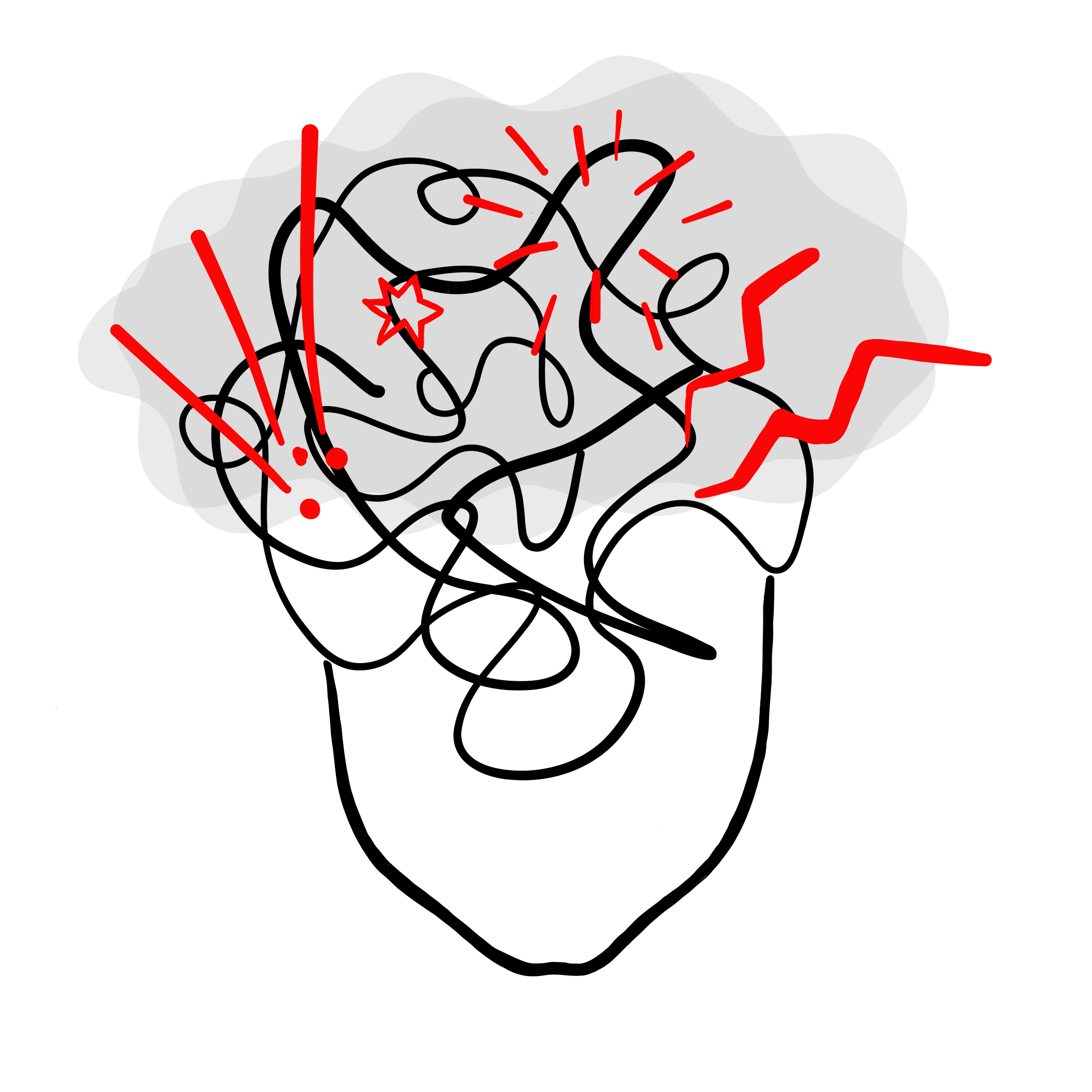
Hypervigilance.
Vigilance: n; the action or state of keeping careful watch for possible danger or difficulties
Hyper: adj; unusually energetic
Hypervigilance is the state of unusual hyperarousal and attentiveness to your environment: surroundings, light, noises, people, smells, feelings of air and energy. It is a side-effect of experiencing trauma and if left unaddressed, you can stay in this heightened state indefinitely.
Why is that a big deal?
It means that your body is constantly interpreting infinitely more stimuli than normal and that your limbic system, the primitive system that’s one job is to engage life-saving measures in the face of threats, is overreactive, interpreting stimuli from your environment incorrectly as ‘unsafe’ when it’s actually safe.
Now imagine being a little, tiny, human with almost no years of experience on this earth.
Trauma at its root steals your sense of safety. I’ve thought about this a lot and I think that is the key piece about trauma. That is why it’s so difficult. Living in a world where, in an instant, everything becomes a threat, and you no longer have the ability to determine safe, to find safety.
I lived in a state of hypervigilance for 30 years. I never realized it until I read a paragraph in a book about childhood trauma, upon which I gasped, and externalized these feelings that have exhausted me for decades. I reached out to close friends and ran all kinds of situations by them and in every single one, I was the only one who felt the way I do. Apparently, it’s not normal to feel like someone is constantly watching you. That someone is waiting to kidnap you. That you’re going to be hit by a car every time you go to the mailbox. That you have to sit back to the wall at a restaurant, facing the door, so you can see what is going on all around you and be prepared to respond to threats.
Through EMDR and IFS therapy, I finally told my hypervigilant part that it could finally rest. I gave it a new job. Now, for the first time that I can remember, in my entire life, I’m no longer living on edge, looking over my shoulder every second of every day.
But back to our kiddos. Think about being 2, 3, 4, 5, and living in this level of constant fear – except they also have no concept of what is going on, they are just constantly terrorized by an overwhelm of stimuli. This is why restoring safety is so important to their healing. We need to keep our eyes open for every scenario where they are unsafe and work to help them rebuild that.
After living 30 years in hypervigilance, pulling my son through a severe trauma where he was almost killed by our family dog, bringing my daughter through being abused at her daycare center, the one thing that weighs so heavily on my heart is that I am, they are, forever changed by it. Once the hypervigilance surfaces to post-trauma levels, I’m certain it rewires the brain. We become incredibly more connected to our nervous system and will never see the world the same way again. Will we find safety again? Yes, with the help of YOU, your child will be able to find safety again. However, in my experience, it is likely that they will always be much more in tune with their environment than others. As their parents, we need to understand that, listen to it, and accommodate it.
Sending all the strength your way.
❤ Mary
 parentingPTSD